In a world where choices are abundant and calories seem to multiply like rabbits, Coke Zero burst onto the scene like a refreshing superhero in a can. It promised the bold taste of classic Coca-Cola without the guilt of added sugar. But when did this fizzy marvel make its grand debut?
Launched in 2005, Coke Zero quickly became the go-to beverage for those who wanted to enjoy the iconic flavor without compromising their waistlines. With its sleek packaging and zero-calorie claim, it captured hearts and taste buds alike. So grab your favorite glass, fill it with ice, and let’s dive into the bubbly history of Coke Zero—because who doesn’t love a good sip of nostalgia?
Overview of Coke Zero
Coke Zero debuted in 2005 as a low-calorie soda option aimed at health-conscious consumers. This drink provides the classic Coca-Cola flavor without the added sugar, attracting a wide customer base. Many drinkers appreciate its distinct taste, which closely resembles traditional Coke.
Coca-Cola introduced Coke Zero as part of its strategy to diversify beverage offerings. The brand recognized a growing demand for products that maintain taste while reducing calorie content. In its early years, it gained popularity rapidly, appealing to individuals wanting to enjoy soda without guilt.
Many consumers reported that Coke Zero fulfilled their craving for sweetness without compromising their diet. The product’s formulation utilizes aspartame and acesulfame potassium, creating a flavor profile that mimics sugar. Over the years, marketing campaigns highlighted its taste, often emphasizing that it tastes “just like Coke.”
Coke Zero’s launch contributed significantly to Coca-Cola’s market share in the diet soda segment. Its success prompted the Coca-Cola Company to innovate further, leading to the development of variations like Coke Zero Sugar in 2017. This reformulation aimed to enhance the drink’s flavor and widen its appeal among soda drinkers.
Popularity increased as consumers embraced Coke Zero, recognizing its positioning as a healthier alternative to other soft drinks. The combination of taste and lower calories positioned Coke Zero as a staple option in many households.
The Launch of Coke Zero
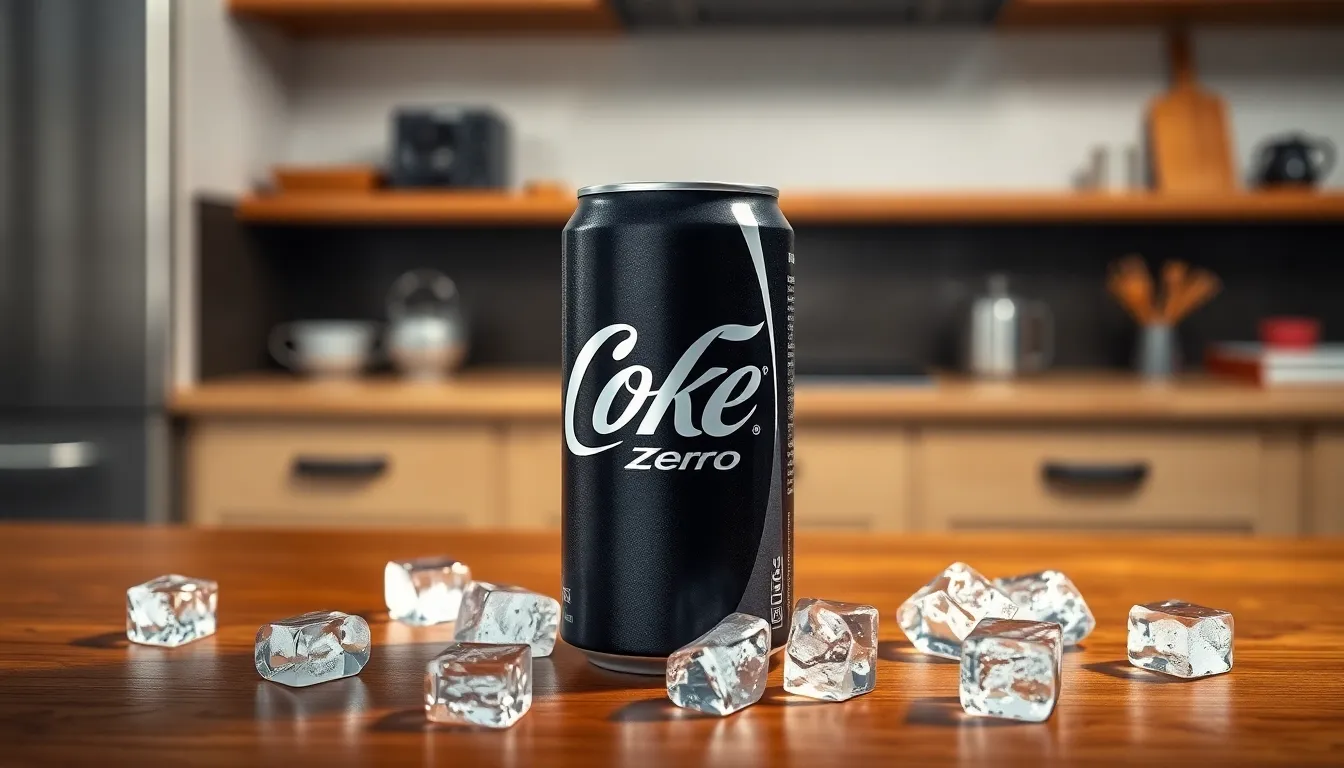
Coke Zero emerged as a groundbreaking beverage in 2005. This drink aimed to provide a guilt-free option for soda lovers seeking to reduce sugar intake without sacrificing flavor.
Early Development
The developmental phase for Coke Zero focused on creating a product that emulated the classic Coca-Cola taste. Research teams at Coca-Cola worked to formulate a beverage using low-calorie sweeteners. Aspartame and acesulfame potassium became the primary ingredients in the formula. Teams conducted extensive taste tests to ensure the flavor matched consumer expectations. This process ultimately aimed to secure a position in the rapidly expanding market of low-calorie drinks. Development defined a path that would lead to a unique entry within the soda segment, capturing the attention of health-conscious consumers.
Official Release Date
Coca-Cola officially launched Coke Zero on June 16, 2005. Marketing campaigns during the release emphasized its bold flavor and zero sugar content. Initial distribution included major retailers and restaurants, allowing wide accessibility from the onset. The official release strategically targeted those seeking an alternative to diet sodas, which often lacked flavor. Following its launch, consumer interest surged, leading to strong sales performance. The immediate reception solidified its place as a significant player in the soda market.
Marketing Strategies
Coke Zero utilized innovative marketing strategies to capture consumer attention effectively.
Advertising Campaigns
Coca-Cola’s advertising campaigns for Coke Zero focused on its unique selling points—bold flavor and zero sugar. Announcements featured a vibrant blend of print, digital, and television ads. Engaging visuals and catchy slogans highlighted the drink’s resemblance to classic Coca-Cola. The “Real Taste, Zero Sugar” tagline resonated with health-conscious consumers seeking flavor. Promotions showcased real people enjoying Coke Zero in everyday situations, establishing relatability. Over time, campaigns adapted to include social media platforms, increasing brand engagement among younger audiences.
Target Audience
Coke Zero primarily targeted health-conscious individuals interested in maintaining a low-calorie diet. Young adults, active lifestyle enthusiasts, and those avoiding sugary beverages became focal points in the marketing strategy. Understanding the shift in consumer preferences, it highlighted how Coke Zero provides taste without caloric guilt. By focusing on taste and health, the brand created a strong connection with consumers seeking alternatives to traditional diet sodas. Market research indicated that Coke Zero appealed particularly to those who valued flavor over calories, reinforcing its position in the competitive beverage landscape.
Consumer Reception
Coke Zero received diverse reactions upon its launch in 2005. Initial excitement surrounded its introduction as it promised the beloved taste of classic Coca-Cola without the sugar. Taste testers praised the drink’s ability to replicate the original flavor, which contributed to a positive early reception. Many consumers expressed relief in finding a low-calorie soda without sacrificing taste. Marketing played a significant role, fueling anticipation among fans of sugar-free beverages.
Long-term popularity reflected the success of Coke Zero in a competitive market. Over the years, consumers embraced it as a reliable alternative to traditional sodas. Sales remained strong, contributing to Coca-Cola’s impressive market share in the diet soda segment. Innovations like the 2017 launch of Coke Zero Sugar demonstrated the brand’s commitment to continuous improvement. Loyal customers appreciated gradual changes, keeping the product relevant and appealing. The focus on flavor combined with awareness of health factors solidified Coke Zero’s status as a preferred choice for many households.
Coke Zero has made a significant impact since its launch in 2005. Its ability to deliver the classic Coca-Cola taste without sugar has resonated with health-conscious consumers. The innovative marketing strategies and adaptations over the years have kept it relevant in a competitive market.
As Coke Zero continues to evolve, it remains a popular choice for those seeking a flavorful alternative to traditional sodas. The ongoing commitment to taste and health ensures that Coke Zero will likely maintain its status as a go-to beverage for many.