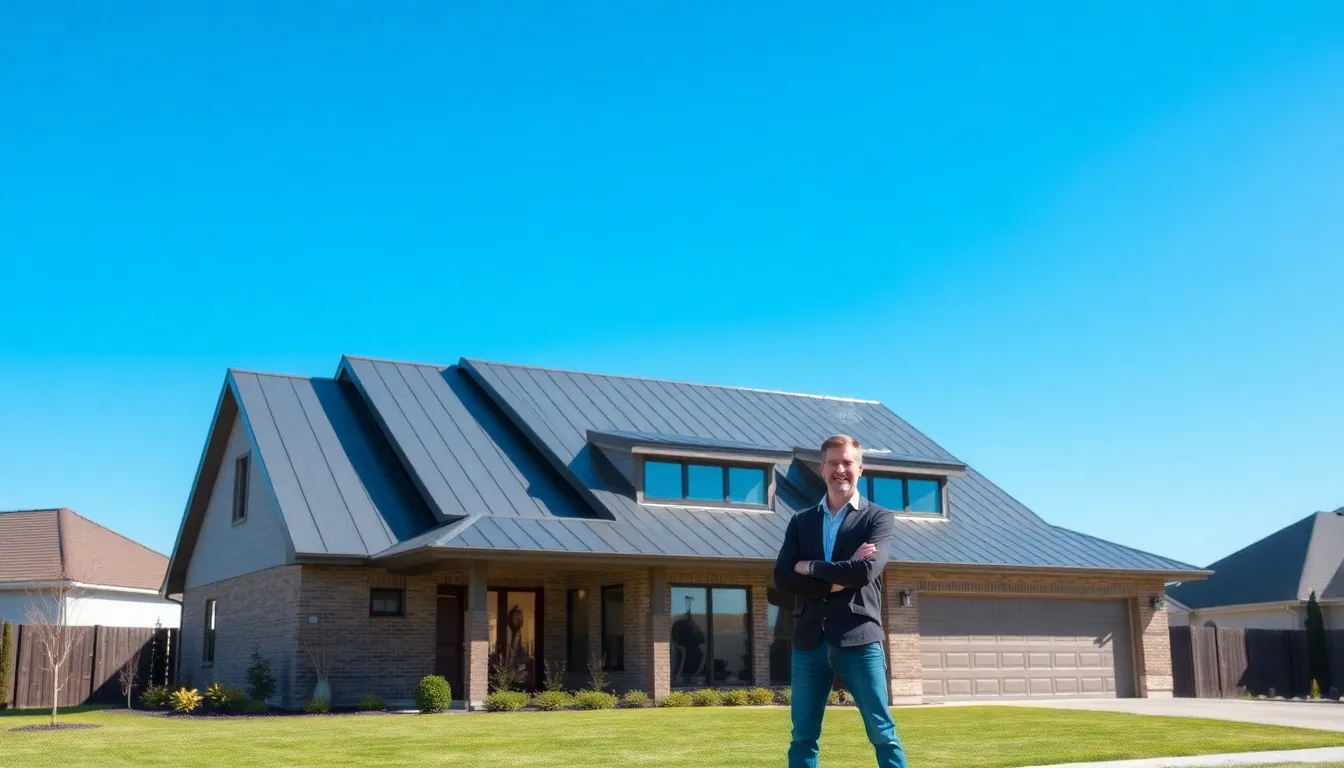
When it comes to roofing, many homeowners often overlook vinyl, assuming it’s all about traditional shingles or metal sheets. Well, vinyl roofing is here to change the game, and perhaps blow your mind. It’s durable, versatile, and yes, surprisingly stylish. Imagine a roof that not only protects your home but also adds a sleek look. If that sounds like a dream come true, strap in as we take a deep jump into the ins and outs of vinyl roofing. Trust us: your roof will thank you.
What Is Vinyl Roofing?
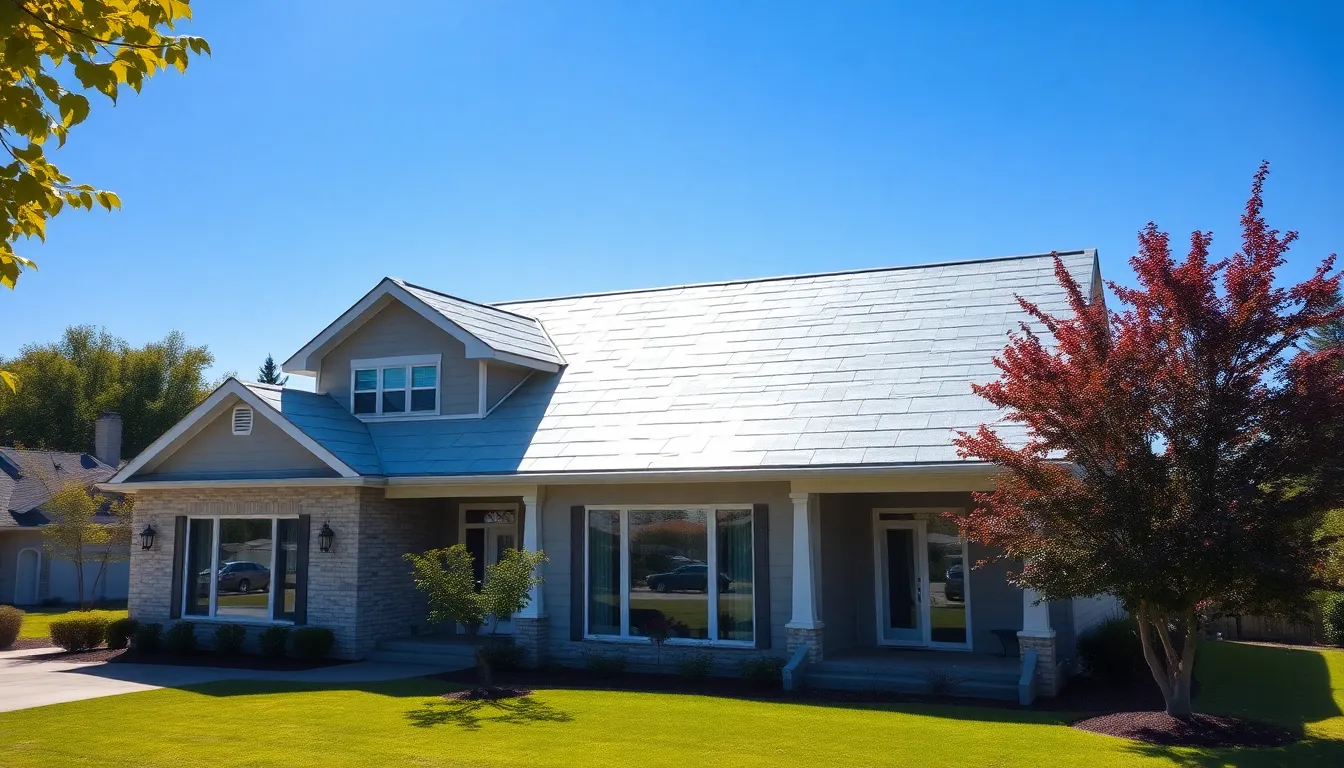
Vinyl roofing is essentially a synthetic roofing solution made primarily from polyvinyl chloride (PVC). This material is designed to withstand the elements while maintaining a sharp appearance. Vinyl roofing is often applied as a membrane and can be used on various building types, including residential homes and commercial properties. What sets it apart is its incredible resistance to moisture, wind, and UV rays, making it a formidable option for any climate. It’s lightweight as well, which makes installation much easier than many traditional roofing materials. If your friends are raving about durability, they may just be talking about vinyl.
Benefits of Vinyl Roofing
Choosing vinyl roofing comes with a slew of advantages:
- Durability: Vinyl roofing can last over 30 years with proper maintenance, providing excellent value.
- Low Maintenance: Unlike some roofing options, vinyl doesn’t require frequent upkeep. Just an occasional inspection and cleaning will suffice.
- Eco-Friendly Options: Many vinyl solutions are made from recycled materials, contributing to sustainability efforts.
- Variety of Styles: From smooth finishes to textured looks that mimic traditional slate or shingles, there’s a style for everyone.
- Cost-Effectiveness: Vinyl is often less expensive than other materials, both in installation and long-term upkeep, making it an appealing choice for budget-conscious homeowners.
Installation Process of Vinyl Roofing
The installation process for vinyl roofing is both straightforward and efficient. Here’s a quick overview of what to expect:
- Preparation: Remove the existing roofing material carefully. Clearing the surface ensures the vinyl adheres correctly.
- Insulation: Lay down insulation boards if necessary. These will enhance energy efficiency.
- Underlayment: A protective underlayment is often used to prevent moisture and protect the roof deck.
- Installation of Membrane: Roll out the vinyl membrane, ensuring a tight fit with overlapping seams. This step is crucial as it enhances waterproofing.
- Sealing: Seal all seams and edges with specialized adhesives. This ensures longevity and prevents leaks.
- Final Touches: Trim any excess and ensure proper drainage is in place.
A professional installer is usually recommended to ensure everything is perfect, but DIY enthusiasts can tackle it too with some practice.
Maintenance Tips for Vinyl Roofing
Although vinyl roofing is low-maintenance, a few tasks can prolong its lifespan:
- Regular Inspections: At least twice a year, carry out a visual inspection for any damages or wear.
- Cleaning: Use a mild detergent and a soft brush to clean the surface. Avoid harsh chemicals that might degrade the material.
- Gutter Maintenance: Make sure your gutters are clear to avoid water pooling on the roof.
- Check for Seals: Every few years, inspect seams and seals: reapply adhesive if any peeling is noticed.
These simple actions can ensure your vinyl roof remains in top condition for years to come.
Comparing Vinyl Roofing to Other Roofing Materials
When evaluating roofing options, it’s crucial to compare costs, durability, and aesthetics between vinyl and other materials:
- Asphalt Shingles: While cheaper upfront, asphalt shingles often need replacement every 15-20 years, unlike vinyl.
- Metal Roofing: It boasts incredible durability but can be more expensive upfront. Vinyl’s weight makes it easier to install.
- Slate Roofing: Slate is beautiful and durable but incredibly heavy and pricier. Vinyl provides a similar aesthetic without the hefty price tag.
Eventually, the choice boils down to personal preferences, vinyl offers a compelling balance between price, performance, and appearance.
Cost Considerations for Vinyl Roofing
When considering the cost of vinyl roofing, several factors come into play:
- Installation Fees: Professional installation can vary based on the complexity of the project and labor rates in your area, typically ranging from $5 to $10 per square foot.
- Material Quality: Higher quality vinyl might have a steeper upfront cost but can often save money in the long run due to durability.
- Local Regulations: Some regions may have specific regulations that can affect the overall cost due to permits or inspections.
Overall, while the initial investment for vinyl roofing can be higher than more traditional options, the long-term savings on repairs and replacement make it a wise consideration.