Imagine a world where your toaster knows just how crispy you like your bread, and your fridge reminds you when that leftover pizza is about to become a science experiment. Welcome to the Internet of Things (IoT), where ordinary devices turn into extraordinary helpers. It’s not just a techy buzzword; it’s a game-changer that’s making life easier, smarter, and even a bit more fun.
From homes that adjust to your preferences automatically to industries that optimize processes like a pro, IoT’s benefits are as vast as your Wi-Fi coverage. With seamless connectivity and real-time data, it’s transforming the way we live and work. So, buckle up and get ready to explore how IoT is not just about convenience, but also about unlocking new levels of efficiency and innovation. Who knew a smart fridge could be your new best friend?
Overview of IoT Benefits
IoT technology delivers significant advantages across various sectors. Enhanced efficiency represents one of its primary benefits. Connected devices enable real-time monitoring, reducing downtime in industrial settings and increasing productivity.
Cost reduction emerges as another crucial advantage. Businesses can optimize resource management, conserving energy and reducing operational expenses through automation. Streamlined processes lead to substantial savings over time.
Improved convenience plays a vital role in consumer adoption. Smart devices simplify daily tasks, allowing users to control appliances and systems remotely. Homeowners can manage security systems, lighting, and climate settings through smartphones or voice-activated assistants.
Data-driven insights also contribute to IoT’s impact. Aggregated data from devices helps organizations analyze trends and consumer behavior. Leveraging these insights leads to informed decision-making and product development strategies.
Enhanced sustainability represents a key initiative supported by IoT. Smart agriculture, for instance, utilizes sensors to monitor soil health, optimize water usage, and crop yield. Reduced waste and resource consumption lead to a more sustainable future.
Security improvements constitute another benefit of implementing IoT solutions. Connected devices incorporate advanced security measures, protecting user data and minimizing vulnerabilities. Continuous updates and firmware enhancements further safeguard against potential threats.
Customization and personalization mark an additional layer of benefits. Devices adapt to individual preferences, creating tailored experiences for users. Personalization enhances user satisfaction and engagement.
With these varied advantages, IoT clearly transforms everyday experiences, paving the way for more efficient living and working environments.
Enhanced Efficiency and Productivity
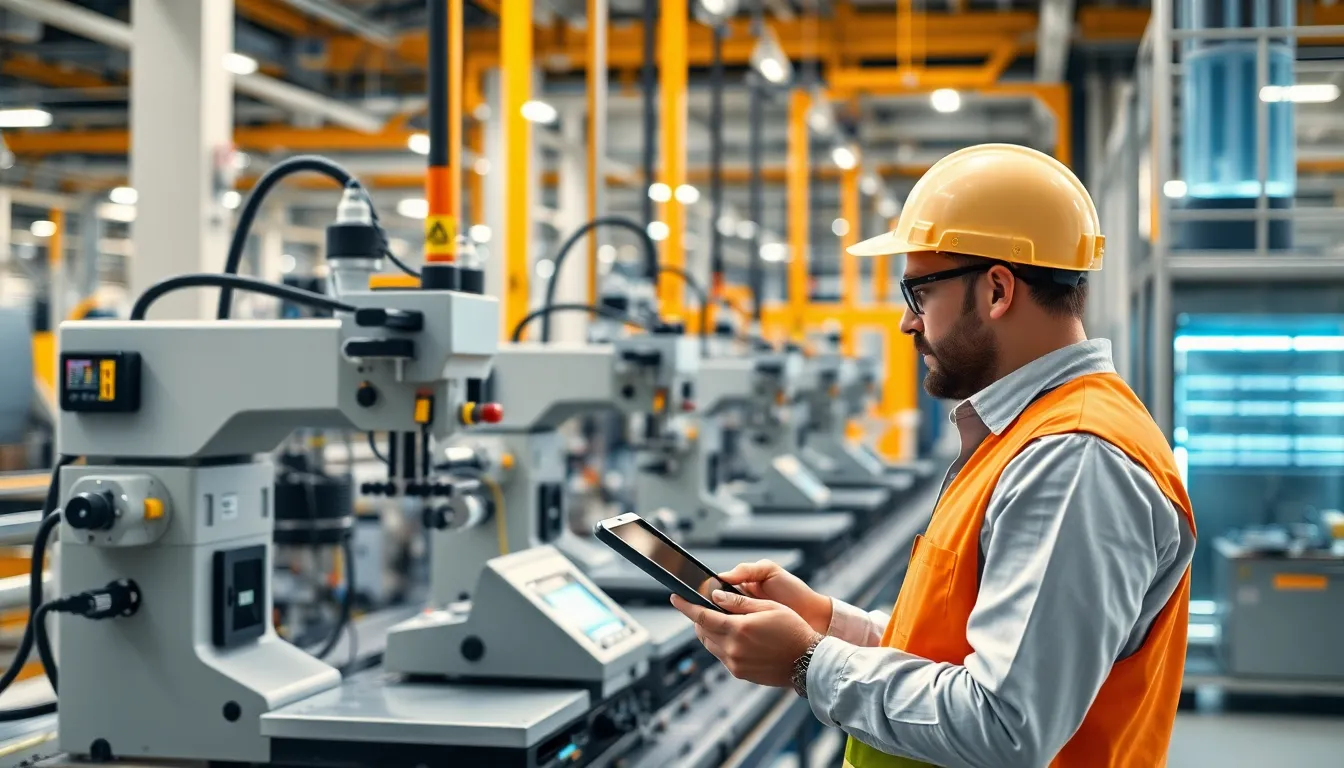
The Internet of Things (IoT) significantly boosts efficiency and productivity through various mechanisms.
Automation of Processes
Automated processes streamline tasks and reduce human error. Smart factories employ connected machines that communicate seamlessly to optimize production schedules. Specific systems adjust their operations in real time, ensuring minimal downtime. Retail stores utilize IoT for inventory management, automatically reordering stock when levels get low. Such automation frees up valuable human resources for more complex tasks. Interactive appliances adjust settings based on user preferences, providing convenience and saving energy.
Real-Time Data Insights
Real-time data insights empower businesses with immediate information. Devices collect actionable data, enabling organizations to respond promptly to changing conditions. Sensors can monitor equipment health, predicting failures before they occur, which reduces maintenance costs. Performance metrics drawn from connected devices allow managers to identify inefficiencies quickly. In agriculture, soil sensors provide farmers with crucial data, optimizing irrigation and enhancing yields. Enhanced decision-making occurs when companies leverage these insights, contributing to overall productivity gains.
Improved Decision-Making
Improved decision-making is a crucial benefit of IoT technology. Data from connected devices enables organizations to make informed choices.
Data-Driven Analytics
Data-driven analytics empowers businesses to derive insights from vast amounts of information collected by IoT devices. These insights help identify trends that drive strategies and operational improvements. Organizations leverage analytics to understand customer behavior and preferences, allowing for tailored marketing and service approaches. By analyzing data points in real time, businesses respond swiftly to market changes. Enhanced visibility into operations facilitates better inventory management and resource allocation. Such informed decision-making leads to overall efficiency gains across various sectors.
Predictive Maintenance
Predictive maintenance minimizes downtime by anticipating equipment failures before they occur. IoT sensors monitor machinery conditions continuously, gathering critical data on performance metrics. Analyzing this data allows organizations to schedule maintenance only when necessary, effectively reducing costs. Timely interventions prevent unexpected breakdowns, ensuring smoother operations. The integration of predictive analytics enables businesses to extend equipment lifespan while optimizing productivity. This proactive approach enhances reliability, ultimately facilitating better decision-making across industries.
Cost Savings
IoT technology provides significant cost savings across various sectors, driving operational efficiency and reducing expenses.
Reduction in Operational Costs
Connected devices enhance operational efficiency, enabling businesses to streamline processes. Automation of routine tasks minimizes labor costs while reducing human errors. By implementing smart systems for inventory management, companies can avoid overstocking and stockouts. Data from IoT sensors allows organizations to maintain optimal inventory levels, directly impacting the bottom line. Furthermore, predictive analytics help foresee equipment issues, reducing unexpected repair costs and minimizing downtime. Overall, smart technologies enable more effective resource management, leading to lower operational costs.
Energy Efficiency
Smart devices contribute to enhanced energy efficiency in both commercial and residential environments. Through sensors and automation, businesses can monitor energy consumption in real time, identifying areas for improvement. For instance, smart thermostats adjust heating and cooling based on occupancy, significantly lowering energy bills. Similarly, automated lighting systems reduce electricity waste by turning off lights in unoccupied spaces. Initial investments in IoT solutions offer substantial long-term savings through reduced utility expenses. Overall, implementing energy-efficient IoT devices drives cost savings while promoting sustainable practices.
Enhanced Quality of Life
IoT significantly enhances the quality of life by transforming homes and optimizing health management. Smart devices simplify routines and improve overall convenience.
Smart Homes and Cities
Smart homes feature connected appliances that adjust to user preferences. This automation enables energy conservation, improved security, and enhanced comfort. For example, smart thermostats learn occupants’ habits and adjust temperatures accordingly, reducing energy costs by up to 30%. Cities benefit from smart technologies through efficient traffic management systems, which reduce congestion and improve air quality. Integration of IoT in urban planning supports public safety with enhanced surveillance systems and real-time emergency responses. Residents experience a seamless blend of technology and daily life, making urban environments more livable and sustainable.
Health Monitoring and Management
IoT plays a crucial role in health monitoring and management by providing continuous patient data. Wearable devices track vital signs, allowing healthcare providers to analyze trends and detect issues early. Remote monitoring systems enable timely interventions, which can decrease hospital visits by 30% for chronic conditions. Telehealth services enhance access to medical advice, making healthcare more convenient. Patients benefit from tailored treatment plans based on real-time data. Overall, IoT’s applications in healthcare lead to better outcomes and increased personal well-being.
The Internet of Things is reshaping how people live and work. Its benefits extend far beyond mere convenience, driving efficiency and sustainability across various sectors. As smart devices continue to evolve, they offer unprecedented opportunities for cost savings and enhanced productivity.
With IoT technology, individuals and organizations can make informed decisions based on real-time data, leading to better outcomes in both personal and professional environments. The transformative potential of IoT is clear, promising a future where connected devices not only simplify daily tasks but also contribute to a more efficient and sustainable world. Embracing these innovations will undoubtedly lead to a smarter and more connected lifestyle.