In a world where tablets have become the Swiss Army knives of technology, what happens when they outlive their usefulness? Instead of letting those sleek devices gather dust and become relics of the past, why not give them a new lease on life? Tablet donation isn’t just a noble cause; it’s a chance to turn your old tech into someone else’s treasure.
Imagine the joy of a child discovering the wonders of learning through a tablet that once belonged to you. It’s like being a tech fairy godparent—minus the wand and sparkles. By donating, you’re not just decluttering your home; you’re making a real difference in someone’s life. So, let’s explore the ins and outs of tablet donation and uncover how a simple act can create ripples of positive change. Who knew being generous could feel this good?
Overview of Tablet Donation
Tablet donation serves as a vital means to extend the lifespan of electronic devices. Many individuals upgrade their tablets frequently, leaving functioning models unused. By donating these tablets, people contribute to bridging the technology gap for those in need, especially students who benefit from access to educational resources.
Organizations often facilitate these donations by collecting devices and refurbishing them for distribution. Numerous studies show that children with access to technology perform better academically. Increasing the availability of tablets in underprivileged areas can lead to improved learning outcomes.
Community programs and schools eagerly accept donations. Many local charities support initiatives aimed at equipping low-income families with necessary technology. Donors frequently find that their contributions create opportunities for engagement and learning within their communities.
Donating tablets also supports environmental sustainability. Reducing electronic waste aligns with global efforts to minimize ecological footprints. Donors feel a sense of fulfillment knowing their unused devices contribute to a worthy cause while promoting eco-friendly practices.
In essence, tablet donation represents a simple yet impactful action that empowers others and supports a more connected and equitable society. Engaging in this practice transforms what may seem like outdated technology into valuable educational tools for many.
Importance of Tablet Donation
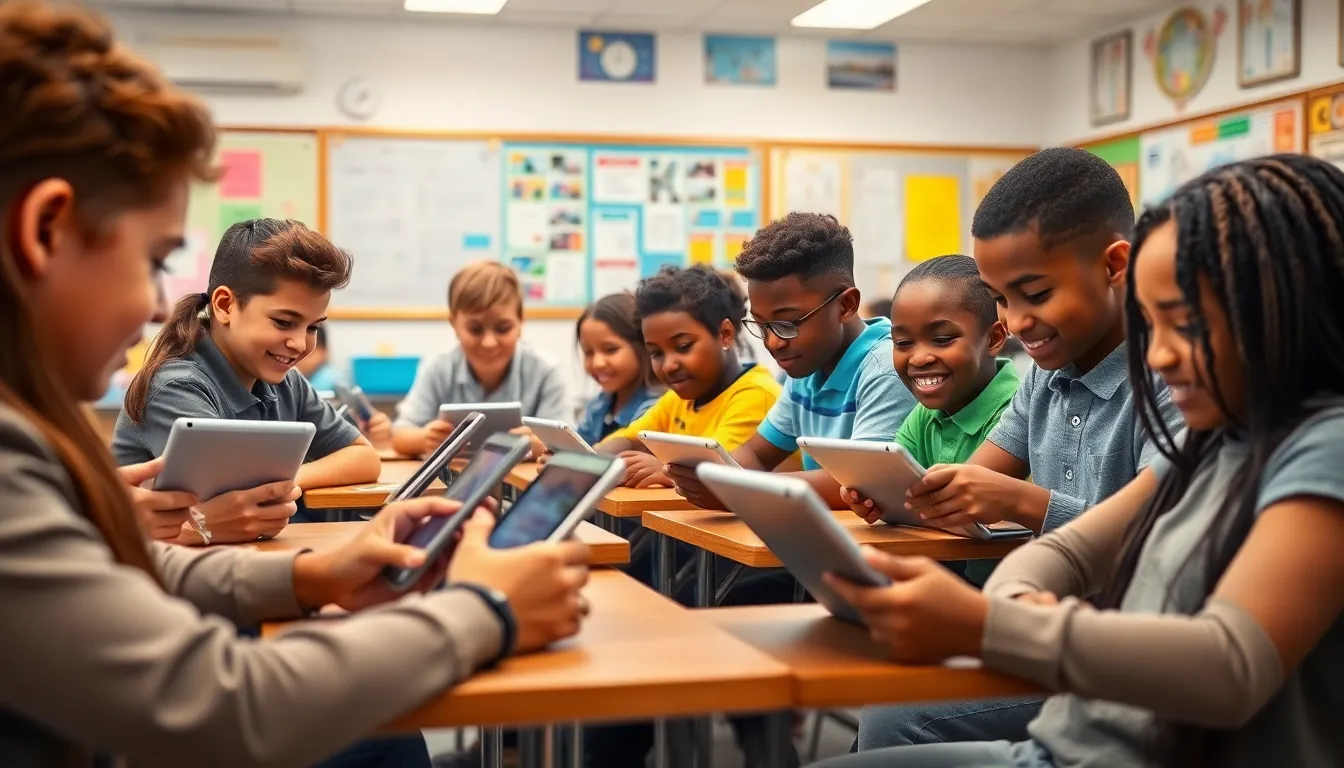
Tablet donation plays a critical role in enhancing technology access for those in need. Donating devices contributes to a more connected society by addressing disparities in technology access.
Bridging the Digital Divide
Bridging the digital divide occurs when individuals and communities receive access to necessary technology. Many families lack sufficient gadgets for online learning and communication. Providing tablets allows students to engage with digital resources, thus improving their educational opportunities. Programs that refurbish and distribute donations often target low-income neighborhoods. By ensuring all students have access to technology, society fosters equality and reduces the gap between different socioeconomic groups.
Supporting Education and Learning
Supporting education and learning happens effectively through tablet donation efforts. Tablets serve as valuable tools for students, granting access to educational applications and online coursework. Utilizing technology enhances engagement and can lead to improved academic performance. Donated devices also provide additional resources for parents in supporting their children’s education. Engaging with digital content becomes seamless for children, transforming traditional learning methods. Schools and community organizations play vital roles in facilitating these donations, ensuring they reach those who benefit the most.
How Tablet Donation Programs Work
Tablet donation programs streamline the process of repurposing unused devices, ensuring they reach those in need. These initiatives play a crucial role in improving educational access and reducing electronic waste.
Donation Process
Individuals start by identifying their unused tablets. After deciding to donate, they clean the devices and erase all personal data to safeguard privacy. Donors then select an organization or program where they wish to contribute, often using online platforms for convenience. Transportation often involves mailing the tablets directly or dropping them off at designated locations. Once received, organizations assess the devices for repairs, refurbishments, or software updates to ensure functionality. After refurbishing, tablets are distributed to schools, community centers, or families who need technology access. Successful programs keep donors informed about the impact their contributions make.
Partner Organizations
Numerous organizations facilitate tablet donation programs. Nonprofits and charities often lead these efforts, mobilizing community support to enhance digital access. For instance, local schools collaborate with technology companies to bridge the technology gap in education. Many organizations prioritize donations to low-income families, ensuring resources are equitably distributed. Partnerships may extend to tech companies that provide technical support or refurbishing services, amplifying the impact of donations. Community engagement often grows as program awareness increases, attracting more donors intrigued by the positive change. Overall, effective partnerships enhance program visibility and operational efficiency, making technology accessible for more individuals.
Benefits of Tablet Donation
Tablet donation creates significant advantages for both recipients and donors, fostering community growth and improving educational access.
For Recipients
Access to technology improves with tablet donation. Students gain tools enabling online learning and educational apps. Many families in underprivileged areas receive tablets, bridging the digital divide. Increased engagement in digital resources leads to enhanced academic performance. Organizations ensure these tablets reach deserving individuals, empowering them with necessary skills. Refurbished devices help children in low-income neighborhoods interact with technology effectively.
For Donors
Donors experience a sense of fulfillment through tablet donation. Unused devices transform into valuable educational tools for those in need. Many local charities facilitate the donation process, easing the burden on individuals. Support for community programs strengthens local bonds and contributes to social causes. Environmental impact shrinks as electronic waste reduces through proper recycling and repurposing of devices. Engaging in tablet donation cultivates a culture of sharing, where individuals feel connected to their communities and the positive change they create.
Challenges in Tablet Donation
Tablet donation, while beneficial, comes with its own set of challenges. Collection logistics often present hurdles, as transport and storage of donated devices require organization and space. Many donors may not know local organizations actively accepting donations, hindering potential contributions.
Device security also plays a crucial role. Donors need to erase personal data to prevent privacy breaches, which can deter individuals from donating older tablets. Furthermore, the quality of devices varies greatly. Some tablets may not function well enough to be refurbished, limiting the impact of donations.
Regulatory compliance must be addressed. Organizations should follow local laws regarding electronics recycling and donation, ensuring responsible disposal of unusable devices.
Additionally, awareness remains a barrier. Many potential donors might underestimate the importance of tablet donations, failing to recognize how technology access can impact education and opportunities.
Ongoing maintenance and support can prove challenging too. Recipients may need assistance in using donated technology effectively, thus requiring programs that offer training alongside donations.
Finally, partnerships with reliable refurbishing organizations are vital. Not all programs have adequate resources or expertise to refurbish devices, affecting the overall success of the donation initiative.
Addressing these challenges is essential in maximizing the impact of tablet donation. Finding ways to streamline logistics, ensuring data security, and enhancing awareness fosters a more robust tablet donation ecosystem.
Tablet donation plays a vital role in bridging the technology gap for underserved communities. By repurposing unused devices, individuals not only declutter their homes but also empower students with essential tools for learning. This act of generosity fosters educational engagement and enhances academic performance for many children.
Moreover, the environmental benefits of reducing electronic waste contribute to a more sustainable future. Donors can take pride in knowing their contributions make a significant difference in the lives of others while promoting eco-friendly practices.
Ultimately, tablet donation is more than just giving away old devices; it’s about creating opportunities and fostering a sense of community. Each donation helps build a more equitable society where technology is accessible to everyone.