Community wellness is emerging as a critical component of public health discussions, and the LotsOfPower community exemplifies initiatives that promote holistic health. This article examines the various facets of community wellness, exploring its significance, core principles, methods of measurement, successful case studies, and the evolving future of these initiatives. By understanding these elements, communities can foster environments that prioritize well-being for all individuals involved, creating healthier, more connected societies.
Understanding Community Wellness
The Importance of Well-Being in Communities
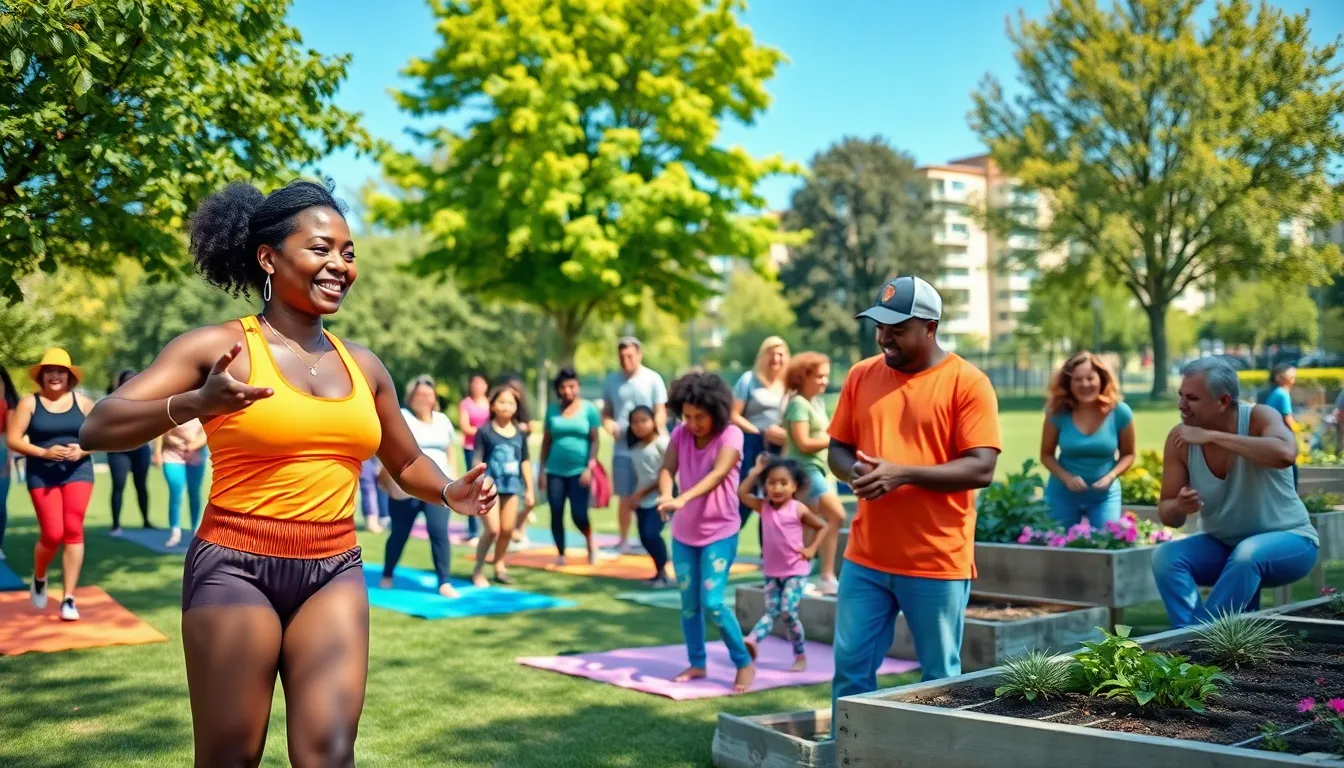
Community wellness is essential for promoting overall societal health. When individuals within a community feel well, emotionally, physically, and socially, they contribute to a vibrant, functional community where people thrive. This interconnectedness means that healthy individuals can participate more fully in community activities, support one another, and create a positive feedback loop that enriches community life.
Factors Influencing Community Wellness
Several factors influence the overall wellness of a community. These factors include economic stability, accessibility to resources like healthcare and education, social equity, and community engagement. Understanding these elements is crucial for identifying areas needing improvement and for developing interventions that can sustainably enhance community well-being.
Factors such as environmental safety, cultural inclusivity, and the availability of recreational spaces also play pivotal roles. Communities that actively strive to improve these aspects often see better public health outcomes, lower crime rates, and enhanced social cohesion.
Core Principles of Community Wellness Initiatives
Creating a Culture of Health and Well-Being
Establishing a culture that prioritizes health and wellness within the community is fundamental. This involves promoting healthy lifestyle choices, encouraging physical activity, and fostering mental well-being. Engaging community members in discussions about wellness can increase awareness and motivate collective action toward healthier habits.
Engagement Through Education and Awareness
Education programs are vital in promoting community wellness. Initiatives that focus on health literacy empower residents to make informed decisions about their health. Workshops, seminars, and community activities that address nutrition, exercise, mental health, and disease prevention can significantly impact overall wellness outcomes.
Building Supportive Networks and Resources
Supportive networks that provide resources, be it healthcare services, fitness programs, or mental health support, are essential for sustaining community wellness. These networks strengthen community ties and ensure that individuals have access to necessary services. By fostering connections among residents, organizations, and local governments, communities can create a comprehensive support system that nurtures well-being.
Measuring Success in Community Wellness Programs
Key Metrics for Assessment
To gauge the effectiveness of community wellness programs, it is crucial to carry out specific metrics for assessment. These metrics might include participation rates, health outcomes (such as reductions in chronic illness), and community satisfaction surveys. By tracking these indicators, communities can identify successful strategies and areas that require additional focus.
Feedback and Continuous Improvement
Enhancing community wellness is an ongoing process. Gathering feedback from participants in wellness programs can provide invaluable insights. Engaging community members in evaluations fosters a sense of ownership and accountability within the programs, allowing for continuous improvement to meet evolving needs.
Case Studies of Successful Community Wellness Programs
Innovative Strategies and Practices
Numerous communities have successfully implemented wellness initiatives that others can learn from. For instance, a community in California launched a walking school bus program, wherein volunteers guide children to school on foot, promoting physical activity while improving traffic safety. Programs like these not only enhance physical health but also encourage community bonding and parental involvement.
Lessons Learned and Best Practices
Success stories often reveal best practices that can be replicated. For example, the importance of inclusivity cannot be overstressed: programs that cater to diverse populations tend to be more successful. Also, leveraging local strengths and resources is a key factor in creating effective wellness initiatives. Continuous collaboration among stakeholders is critical to sustaining these efforts.
The Future of Community Wellness Initiatives
Trends and Emerging Challenges
As communities navigate the complexities of wellness, they face emerging challenges that must be addressed. Issues such as social inequality, access to health services, and the increasing prevalence of mental health concerns continue to be pressing matters. But, trends such as the integration of technology in health monitoring and telehealth services show promise in overcoming these challenges.
Sustainability and Long-Term Impact
Looking forward, the sustainability of community wellness initiatives will be paramount. Ensuring lasting impact requires commitment from community leaders, residents, and organizations alike. Communities should develop strategies that not only address current needs but also anticipate future challenges, so maintaining a proactive approach to wellness.
Conclusion
Community wellness is a vital aspect of public health that enhances the quality of life for individuals and communities alike. By fostering a culture of health, promoting education, and creating supportive networks, communities can significantly improve their overall well-being. Learning from successful case studies and adapting to emerging trends will ensure that community wellness initiatives continue to thrive, building healthier and more resilient communities for years to come.