In today’s rapidly evolving energy landscape, finding the right power solutions is critical. LotsOfPower.net stands out as a trusted resource for anyone looking to explore diverse energy options. From renewable sources to innovative technologies, this hub serves as a comprehensive guide for understanding and selecting the best power solutions to meet various needs. This article delves into the numerous aspects of power solutions, equipping readers with the knowledge to make informed decisions.
Understanding Power Solutions
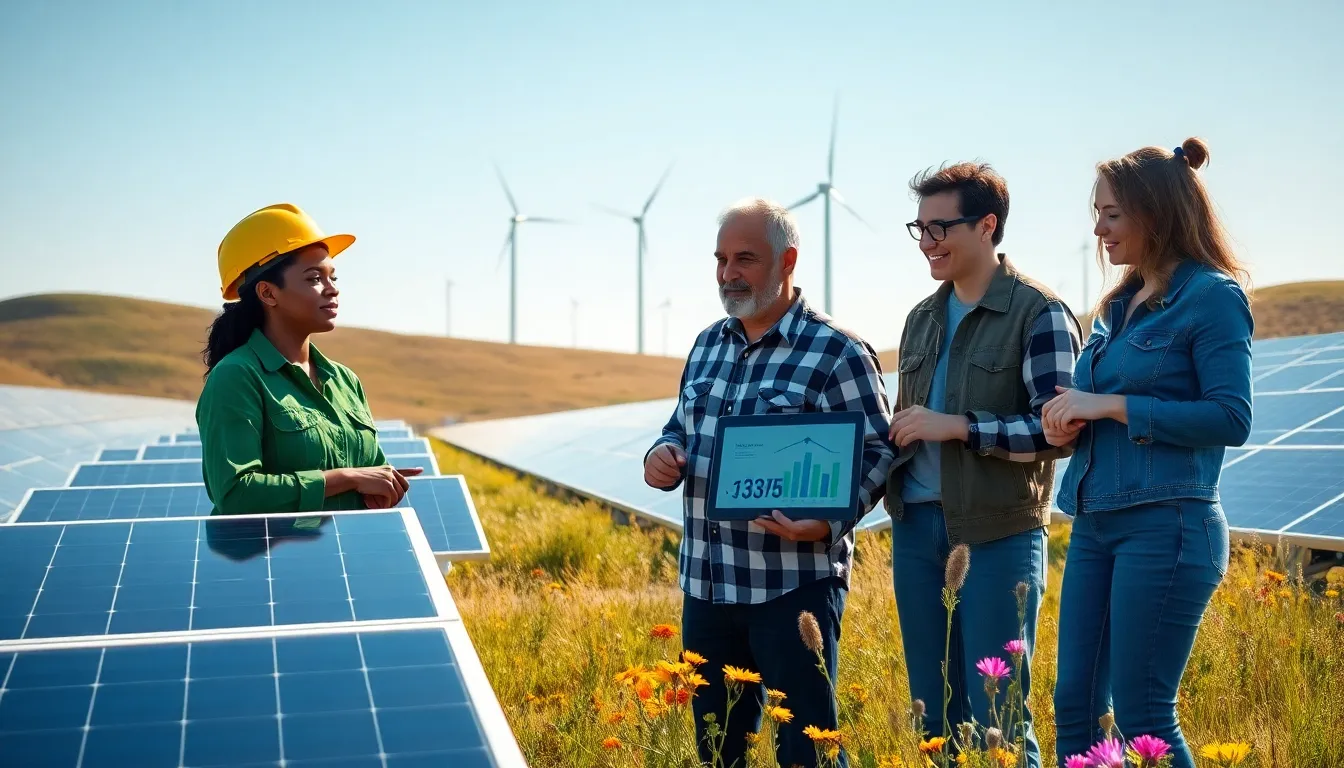
Power solutions encompass a broad range of options available to consumers and industries, depending on their specific energy needs. These solutions integrate various power sources to ensure efficiency, sustainability, and reliability.
Types of Power Sources
Power sources can be divided into two main categories: renewable and non-renewable. Each type plays a crucial role in energy generation worldwide.
- Renewable Energy Sources – These include solar, wind, hydroelectric, biomasses, and geothermal energy. They are becoming increasingly popular due to their potential to mitigate climate change and reduce dependence on fossil fuels.
- Non-Renewable Energy Sources – This category includes coal, natural gas, oil, and nuclear power. While they may provide substantial energy outputs, they also come with significant environmental impacts.
Renewable Energy Options
Renewable energy presents countless opportunities for both individuals and businesses. Solar power, for instance, has surged in popularity due to declining costs and technological advancements. Wind energy, harnessed through turbines, is perfect for specific regions where wind currents are strong and consistent. Hydroelectric power utilizes water flow to generate electricity, showcasing one of the oldest and most efficient forms of renewable energy. Biomass energy, derived from organic materials, and geothermal energy, utilizing heat from the Earth, further diversify renewable options for users looking to reduce their carbon footprint.
Non-Renewable Energy Sources
Non-renewable energy sources have been the backbone of global energy production for decades. These sources are finite, meaning they will eventually deplete as they are consumed.
- Coal – Once the most convenient energy source, coal is being phased out in favor of cleaner options. But, it still plays a role in electricity generation, particularly in developing economies.
- Natural Gas – Often touted as a cleaner alternative to coal and oil, natural gas releases fewer pollutants and carbon dioxide. Its versatility makes it a favored option in many places.
- Oil – This is primarily used in transportation and industrial applications. As the world shifts towards electric vehicles, oil’s dominance may diminish in the coming decades.
- Nuclear Power – Nuclear energy provides significant electricity generation without the direct carbon emissions associated with fossil fuels. But, concerns over safety and waste disposal continue to challenge its acceptance.
Choosing the Right Power Solution
Selecting an appropriate power solution depends on various factors, ensuring that users meet their energy needs in a sustainable and cost-effective manner.
Factors to Consider
- Energy Needs – Assessing energy consumption patterns allows users to determine the type and amount of energy required.
- Location – The feasibility of different power solutions often depends on geographic location. For instance, solar power is more efficient in sunnier regions, while wind farms thrive in areas with consistent wind currents.
- Regulatory Environment – Understanding local laws, tax incentives, and available grants can drastically influence the choice of power solutions.
Cost and Budget Analysis
Performing a thorough cost analysis is essential for any potential power solution. This entails breaking down installation, maintenance, and operational costs associated with both renewable and non-renewable energy sources. Evaluating the return on investment (ROI) is critical, especially when considering renewable sources, which may have higher upfront costs but significantly lower ongoing expenses.
Environmental Impact
The environmental impact of energy solutions can’t be overlooked. Renewables tend to have a lower impact on ecosystems and contribute to greenhouse gas reduction. For non-renewables, assessing emissions and ecological footprints is vital, allowing consumers to align choices with personal or corporate sustainability goals.
The Future of Power Solutions
As technology evolves, so do power solutions. The future promises more efficient, innovative energy sources that aim to meet the growing demands of a global population.
Innovations in Power Technology
Advancements in power storage, such as battery technology, are crucial for maximizing the benefits of renewable energy sources. Technologies like lithium-ion batteries are becoming more affordable and efficient, allowing for better energy storage. Also, the development of hydrogen fuel cells presents an exciting avenue for clean energy, storing energy that can be used to generate power without harmful emissions. Smart technologies, like IoT applications in energy management, further enhance efficiency by allowing real-time monitoring and optimization of energy use.
The Role of Smart Grids
The integration of smart grid technology is transforming how power is delivered and consumed. Smart grids use digital communication technology to detect and react to local changes in usage, improving efficiency and reliability.
These grids help the use of decentralized energy resources, enabling consumers to produce their energy, often through solar panels and wind turbines. Smart grid systems can provide real-time data on energy usage, allowing consumers to adapt their behaviors for lower costs and reduced environmental impact. Also, they offer utilities better oversight of energy distribution, reducing outages and enhancing service.
Conclusion
To conclude, the landscape of power solutions is rapidly evolving, aided by technological advancements and a global shift towards sustainability. LotsOfPower.net serves as a vital resource for individuals and organizations navigating their energy options. By understanding the different types of power sources, assessing individual needs, and exploring innovative solutions, users can make informed decisions that not only address their energy requirements but also contribute positively to the planet. As the future unfolds, embracing a combination of renewable sources, innovative technologies, and smart grid solutions will be crucial in shaping an efficient energy landscape for all.